
 Image 1 of 1
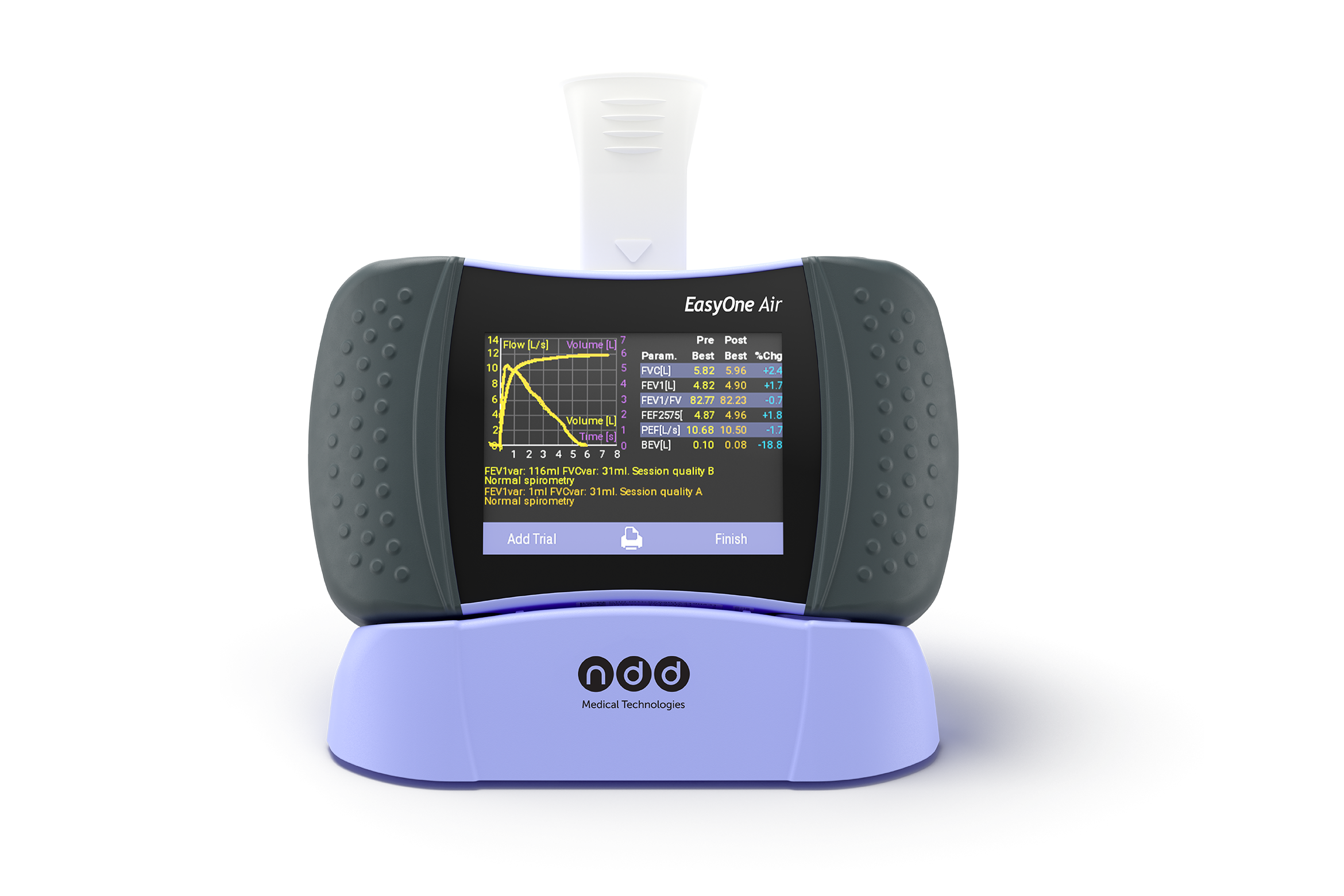
The Lung Therapeutic Program (LTP) begins by providing patients with bedside spirometry (PFT-pulmonary function testing) to determine if there is underlying lung conditions, such as COPD (chronic obstructive pulmonary disease). According to the National Institutes of Health, 70% to 80% of all COPD goes undiagnosed. A formal diagnosis requires spirometry, which is heavily underutilized in post-acute care.
Once the diagnosis is made, Respiratory Care interventions, such as bronchodilator therapies, chest vest or IPV therapy, and incentive spirometry can be ordered and implemented. This will improve the patient’s quality of life, reduce readmission rates, improve patient/family satisfaction, reduce length of stay, and improve patient outcomes.
The Lung Therapeutic Program (LTP) begins by providing patients with bedside spirometry (PFT-pulmonary function testing) to determine if there is underlying lung conditions, such as COPD (chronic obstructive pulmonary disease). According to the National Institutes of Health, 70% to 80% of all COPD goes undiagnosed. A formal diagnosis requires spirometry, which is heavily underutilized in post-acute care.
Once the diagnosis is made, Respiratory Care interventions, such as bronchodilator therapies, chest vest or IPV therapy, and incentive spirometry can be ordered and implemented. This will improve the patient’s quality of life, reduce readmission rates, improve patient/family satisfaction, reduce length of stay, and improve patient outcomes.