

Elevating Post-Acute Care Performance
Our analysis demonstrates that effective clinical operations depend on evidence-based protocols, optimized resource allocation, and unwavering adherence to patient safety standards.
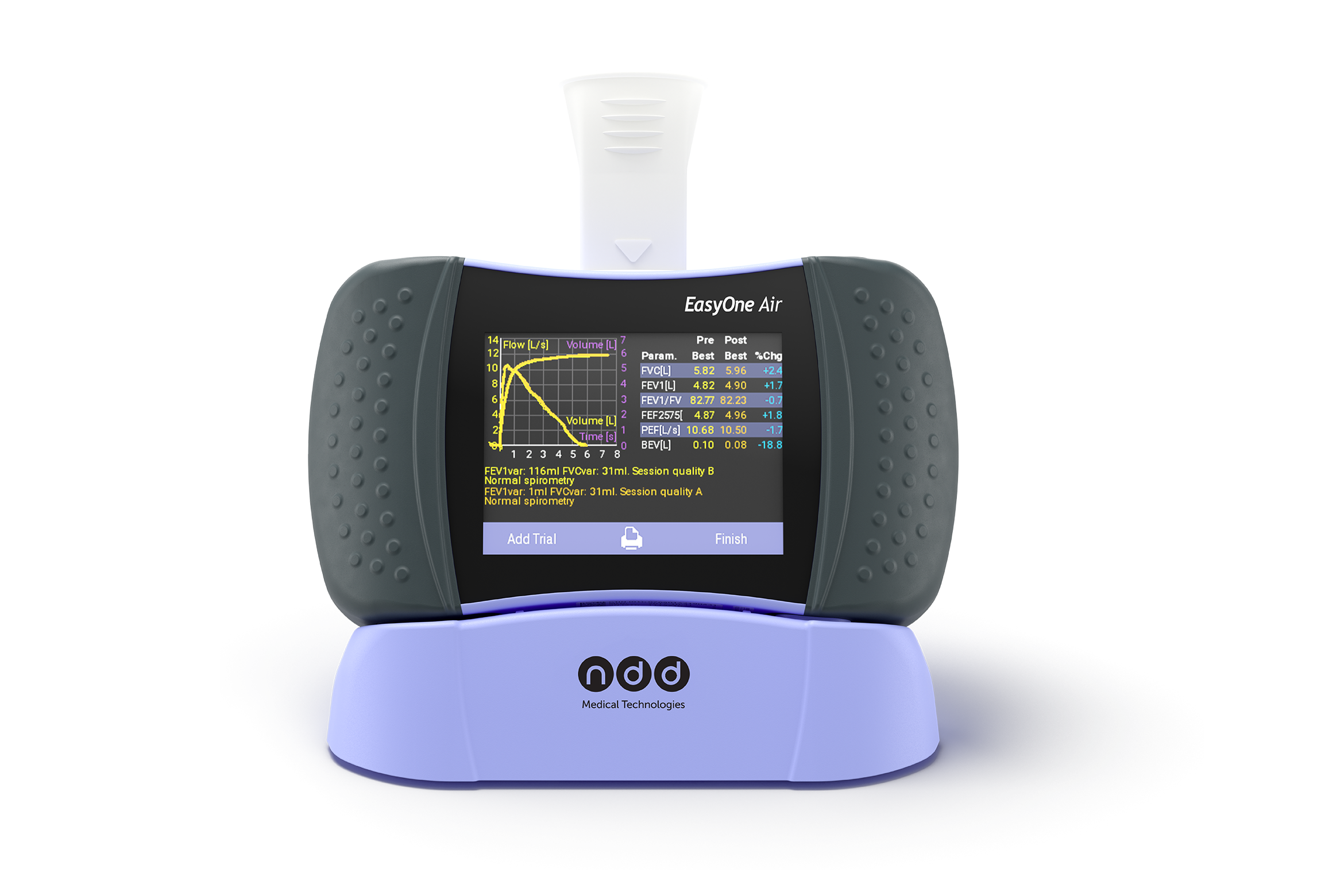
The LTP initiates by identifying individuals with known or suspected pulmonary conditions. For patients with suspected disease, bedside spirometry serves as the clinical cornerstone—providing objective evidence of pulmonary compromise to guide the development of a targeted treatment plan. For individuals with an established diagnosis, this testing is used to systematically monitor the efficacy of ongoing treatments. As the clinical gold standard, bedside spirometry is essential for both confirming the presence of lung disease and optimizing therapeutic outcomes.
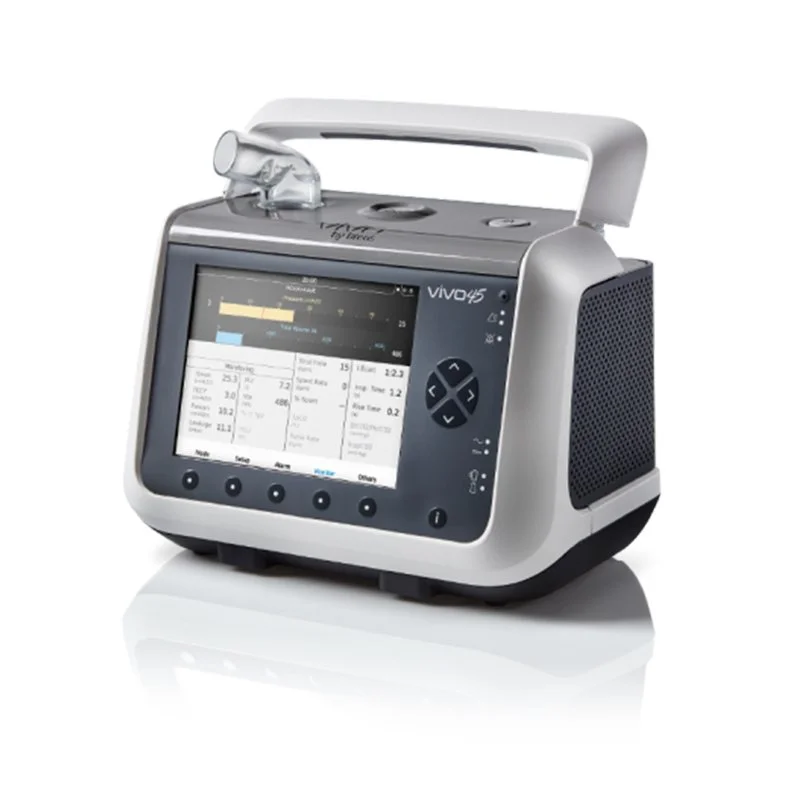
We design and implement successful mechanical ventilation programs and advanced weaning protocols that safely reduce patient ventilator days. By partnering directly with interdisciplinary care teams, we establish structured, evidence-based workflows that combine daily sedation reduction, spontaneous breathing trials (SBTs), and early patient mobility. This collaborative approach ensures that patients are systematically assessed and safely liberated from mechanical support the moment they meet clinical criteria.
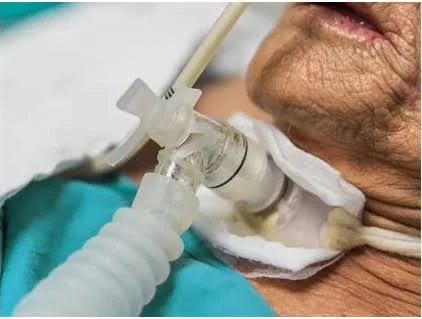
Our new Artificial Airway Management Program consists of five core components: Tube Security: stabilize the airway to prevent dislodgement or displacement; Secretion Clearance: maintain patency and clear obstructions through adequate humidification and appropriate suctioning; Cuff Pressure Control: maintain appropriate cuff pressures to prevent aspiration, avoid mucosal damage, and ensure adequate ventilation; Cuff Monitoring: utilize digital manometers for precise cuff control. Physiologic Monitoring: track ventilation via end-tidal capnography and monitor oxygenation via continuous pulse oximetry.
This program directly addresses key clinical and financial metrics by targeting the roots of airway complications. Reducing readmissions for pneumonia and aspiration while simultaneously increasing decannulation rates represents a major optimization of patient care and facility resource utilization.