
 Image 1 of 1
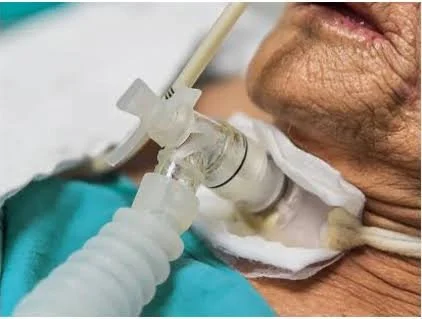
Our new Artificial Airway Management Program consists of five core components: Tube Security: stabilize the airway to prevent dislodgement or displacement; Secretion Clearance: maintain patency and clear obstructions through adequate humidification and appropriate suctioning; Cuff Pressure Control: maintain appropriate cuff pressures to prevent aspiration, avoid mucosal damage, and ensure adequate ventilation; Cuff Monitoring: utilize digital manometers for precise cuff control. Physiologic Monitoring: track ventilation via end-tidal capnography and monitor oxygenation via continuous pulse oximetry.
This program directly addresses key clinical and financial metrics by targeting the roots of airway complications. Reducing readmissions for pneumonia and aspiration while simultaneously increasing decannulation rates represents a major optimization of patient care and facility resource utilization.
Our new Artificial Airway Management Program consists of five core components: Tube Security: stabilize the airway to prevent dislodgement or displacement; Secretion Clearance: maintain patency and clear obstructions through adequate humidification and appropriate suctioning; Cuff Pressure Control: maintain appropriate cuff pressures to prevent aspiration, avoid mucosal damage, and ensure adequate ventilation; Cuff Monitoring: utilize digital manometers for precise cuff control. Physiologic Monitoring: track ventilation via end-tidal capnography and monitor oxygenation via continuous pulse oximetry.
This program directly addresses key clinical and financial metrics by targeting the roots of airway complications. Reducing readmissions for pneumonia and aspiration while simultaneously increasing decannulation rates represents a major optimization of patient care and facility resource utilization.